


Is a Wedding Album Worth It?
I’m Jonathan de Leon, a wedding photographer based in Honolulu, Hawaii. Over the last 12 years and working with more than 100 couples, I’ve seen every stage of the album decision — the ones who skipped it, the ones who upgraded, and the ones who came back wishing they’d chosen differently.
Key Takeaways
- A 20-page album holds roughly 40 to 60 images — enough for one chapter of your wedding day, not all of it
- Most couples who see their day designed to 80-100 pages first can’t bring themselves to delete down to 20
- One couple lost their wedding photos entirely — expired gallery, lost thumb drive, nothing left
- An album on a coffee table gets opened. Digital files stay behind a screen until an anniversary reminds you they exist
A professional wedding album is worth it — but not for the reason most photographers will tell you. Whether you’re weighing the cost or wondering if digital files are enough, the answer comes down to what actually happens to your photos without a wedding album, and what you lose when you try to fit your whole wedding day into 20 pages.
What You’re Actually Paying For
A professionally made album isn’t a photo book. The pages are thick, archival, and lay completely flat — printed in a way that won’t fade if stored correctly. Specialists overseas source the cover materials and assemble every album by hand.
Then there’s the design work. We go through your full gallery, sequence your story spread by spread, and spend real time building something that flows the way your day actually felt. We prep for your Reveal Celebration and walk through it with you in person. That process takes hours and it’s built into what you’re paying for.
You’re not paying a markup on a commodity. You’re paying for a physical product built to last decades and a design process built around your specific day. That’s a different thing from a $50 photo book printed at a drugstore, and the difference shows up the first time you hold one.
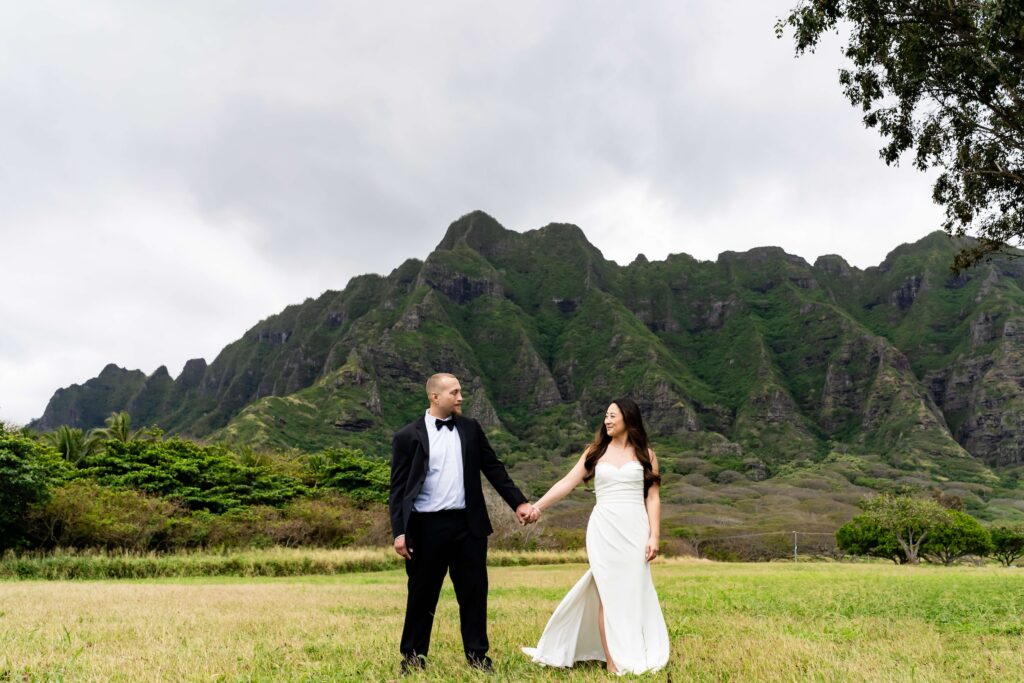
Photo by Blessed Creatives
What Happens to Your Wedding Photos Without an Album
I’ll start here because most photographers won’t.
A couple reached out to me not long after their wedding. Their online gallery had expired. The thumb drive they’d stored their photos on was gone. The photos — the whole day — were just gone.
Online galleries expire. Hard drives and thumb drives fail or get lost. The photos you assume are safe behind a password and a URL are not a long-term preservation plan.
The fix isn’t complicated: download your gallery to multiple locations immediately, back it up to the cloud, and print physical copies. But here’s the honest truth — most couples don’t do any of that until something goes wrong.
An album can’t get lost behind a computer. It can’t expire. It sits on your shelf and it stays there.
Why a 20-Page Wedding Album Runs Out Faster Than You Think
Every collection at Blessed Creatives includes a Highlight Album — 8 inches, 20 pages. It’s a beautiful place to start and it’s built to hold one meaningful chapter of your wedding day.
The problem is your wedding day has more than one chapter.
Think through it honestly. Getting ready — someone helping with your dress, someone straightening a tie, the moment someone cried before you even left the room. The ceremony. The walk down the aisle, the vows, the first kiss, the exhale after. Portraits somewhere on Oahu with the light doing something you couldn’t have planned. Family photos. The reception — the room, the toasts, the first dance, the moment the floor filled up and nobody wanted to leave.
A 20-page album has 10 two-page spreads. Your wedding day has more than 10 moments worth keeping.
How We Design Your Wedding Album Before the Reveal
Here’s where our process is different from most photographers.
We don’t show you two album options and ask which one you want. We design your album first — the full story, the way your day actually felt — and we start at 80 to 100 pages.
Then we sit down together at your Reveal and we start deleting.
Every couple who has upgraded their album at Blessed Creatives has done it during this process, not before it. Not because we pitched them. Because they felt what they were losing.
One couple came in with their album designed to 106 pages. As we worked down, they hit a point where they couldn’t delete anymore. They upgraded.
Another couple had no intention of upgrading at all. They were staying at 20 pages — that was the plan. We started deleting and got to 46 pages. They couldn’t cut any further. I reminded them we still needed to cut more than half of what was left. They upgraded.
The decision isn’t made in a conversation about page counts. It’s made the moment a couple watches a photo disappear from a spread and realizes that moment is gone from their album forever.
The Difference Between 20 Pages and 40
A 20-page album has 10 spreads. Enough for the highlights, edited down to fit.
A 40-page album has 20 spreads. Enough to let your getting-ready chapter breathe, give your ceremony four or five pages, and still have room for the quiet in-between moments — the ones you didn’t plan but ended up meaning the most.
The difference isn’t just more pages. It’s whether your story gets edited down to fit the album, or whether the album gets built around your story.
Neither option is wrong. But most couples who see both side by side wish they’d known the difference earlier — before the Reveal, not during it.
The Cover Is Part of the Story Too
Most couples don’t think about the cover until they’re holding the album for the first time. Then they understand immediately.
The cover is what your kids grab when they pull it off the shelf. It’s the first thing a guest touches when you hand it to them. Upgraded albums include a cover you choose — the material, the color, the finish. You can add embossing: your names, your date, pressed into the cover in your choice of foil. The pages inside are flush-mount and lay completely flat, so nothing disappears into the spine.
Hawaii’s heat and humidity are hard on anything that isn’t built for it. Archival pages and quality binding materials aren’t a luxury detail — they’re what separates an album that lasts decades from one that gets put in a drawer after a few years because the pages are warping or the binding is separating. It’s a small detail that feels significant the first time you hold it and every time after.
Your Wedding Album Does Something Digital Files Can’t
Here’s the human cost of skipping the album, and it has nothing to do with pixels or print quality.
When friends come over for the holidays, when family gathers for dinner, when someone who wasn’t at your wedding asks what it was like — you want to be able to hand them something real.
Nobody is going to say “hang on, let me pull up Instagram.” Nobody logs into a shared folder at a dinner party. Digital files stay behind a screen until an anniversary reminds you they exist.
An album on a coffee table gets opened. It gets passed around. It starts a conversation. And it lets your wedding day exist in the room with you, not behind a password on a server somewhere.
That’s not a photography argument. That’s just how people actually share stories with each other.
How the Design Process Works
You don’t have to design your album. That’s the point.
We go through your gallery, pull the images that tell your story in sequence, and build spreads that flow the way your day actually felt. You see it for the first time at your Reveal, already designed. Most couples make very few changes — because when someone who was there designs it around what actually happened, it tends to feel right.
Your job is to experience it. Ours is to build it.
FAQ
How many photos fit in a wedding album?
A 20-page album holds roughly 40 to 60 images depending on layout. A 40-page album holds 80 to 120. The number matters less than whether the images have room to breathe on the page.
When do I decide on my album upgrade?
At your Reveal Celebration, roughly eight weeks after your wedding. You’ll see your gallery for the first time and your album already designed. That’s the moment to decide — not six months before your wedding when you haven’t seen a single photo yet.
What if I just keep my digital files?
You can — but download them to multiple locations immediately, back them up to the cloud, and print physical copies. Don’t assume your online gallery is a permanent archive. Most galleries have expiration dates.
What makes a professional album different from printing photos myself?
Construction, materials, and design. The pages are thick archival stock, flush-mounted so images span the full spread without disappearing into the spine, and printed to resist fading when stored correctly. The cover materials are quality-sourced and the albums are assembled by specialists overseas. And the design is done for you by someone who was at your wedding and knows which moments matter.
Are wedding albums durable enough to last?
A professionally made album built with archival materials and quality binding should last decades when stored reasonably well. In Hawaii’s climate specifically, the difference between archival paper and standard photo book paper shows up over time — in color retention, page integrity, and whether the binding holds. A $50 photo book isn’t built for 30 years. A professional album is.

Photo by Blessed Creatives
Your wedding day happened once. The photos from it deserve to exist somewhere that doesn’t require a password, a working hard drive, or someone remembering to look.
If you’re getting married in Hawaii and want to see what your day looks like fully designed before you decide, that’s exactly what we do at Blessed Creatives. Contact us to learn more about our collections and album options.
Updated July 2026. Pricing and album specifications last verified July 2026. Review annually.


